


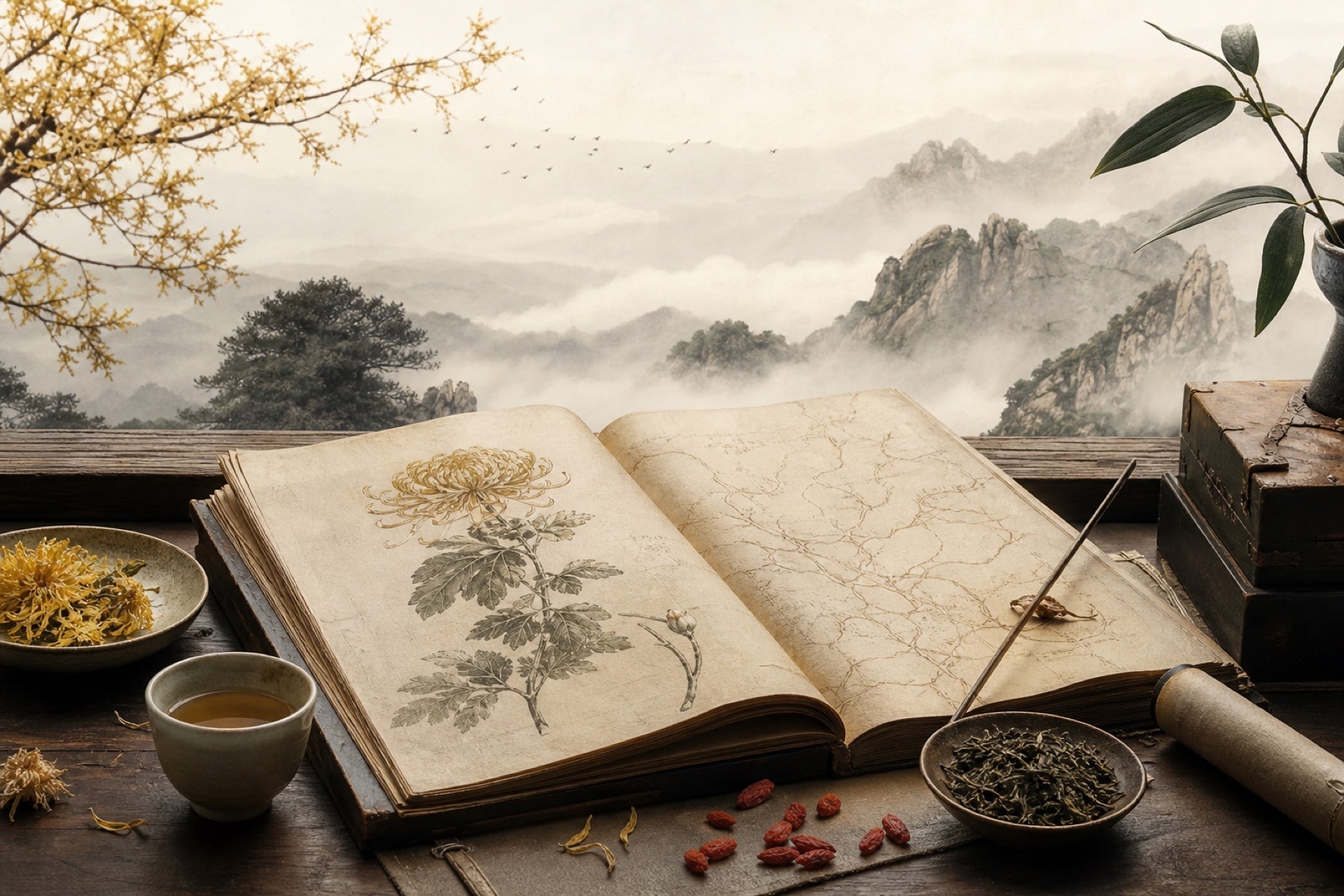
Tea Was Never Only a Drink: A Living Chinese Practice
Tea is easy to reduce to a product: leaves, water, temperature and time. In Chinese life, however, tea has also been a way of receiving a guest, opening a conversation and making attention visible.
That is why tea culture cannot be preserved by appearance alone. A beautiful pot may carry tradition, but so can the quiet decision to pause, prepare something carefully and offer it to another person.
Craft becomes culture when it is shared
China's traditional tea practices include knowledge of growing, processing, preparing and drinking tea. UNESCO describes them as social practices found in homes, workplaces, tea houses, restaurants and temples—settings where tea helps people communicate and build relationships.
The important word is relationship. Technique gives tea its character; hospitality gives it meaning.
A tradition remains alive not because it never changes, but because its values continue to be practised.
A new vessel for an old intention
7eaminds works with concentrated, soluble herbal-tea crystals. The format is modern: a measured portion can disperse in hot water, cold water or milk without a long steep. Yet convenience does not have to erase ritual. It can create room for ritual in places where loose leaves, equipment and time are not available.
For a hotel welcome, a meeting between partners or a cup prepared between tasks, the question is not whether the ritual looks ancient. The question is whether it still carries care.
Perhaps modern tea culture begins here: not by copying the past, but by carrying its attention forward.
Further reading: UNESCO — Traditional tea processing techniques and associated social practices in China.